
How Early Connections Shape Human Relationships
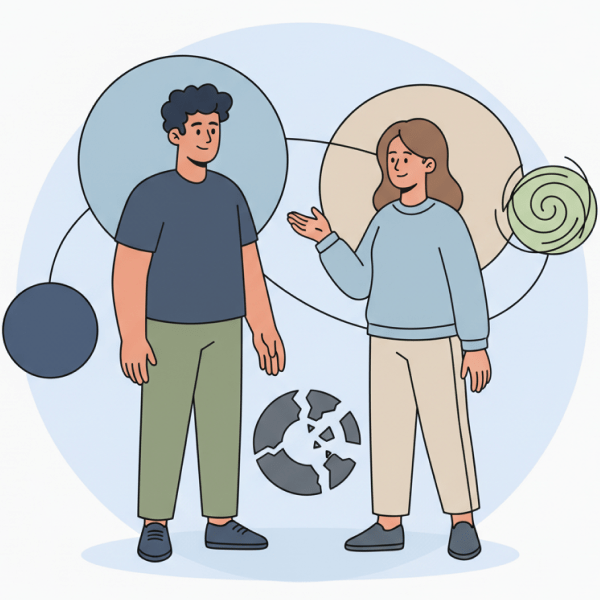
Human connection begins before language, long before logic, and it imprints a working model of closeness that quietly guides how we love, cope, and collaborate. Early caregivers shape nervous system patterns that influence our capacity for trust and emotional regulation. These early templates are not destiny, yet they create a default setting that tends to reappear in friendship, romance, parenting, and teamwork. When people understand these patterns, they gain a vocabulary for needs, boundaries, and repair that transforms conflict into growth.
Across communities and classrooms, the question of what are attachment styles surfaces whenever caregivers and children interact in predictable or inconsistent ways. Within academic circles, researchers examine brain, behavior, and meaning-making under the umbrella of attachment styles psychology to explain enduring relational patterns that persist across time. In practice, clinicians reference attachment styles to design interventions that strengthen trust, flexibility, and emotional regulation without pathologizing normal variability.

Different Attachment Styles Across Families and Cultures
Psychologists describe recognizable bonding templates that show up in subtle micro-moments: a glance away during vulnerability, a tightening voice when needs feel dismissed, a rush to fix before feelings land. These patterns are understandable adaptations rather than flaws, and they become more flexible with awareness and practice. When people learn the language of needs and safety, they can update their default settings and respond rather than react.
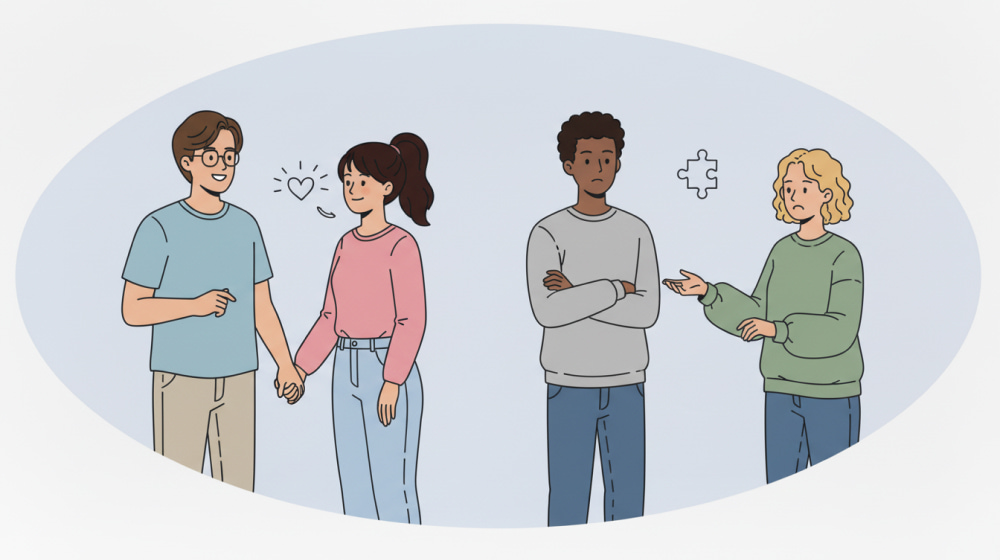
In classic research, scholars often describe the landscape using the lens of four attachment styles that capture key themes of safety, proximity, and regulation. When introducing newcomers, educators sometimes summarize the terrain as 4 attachment styles to make the framework easy to remember during workshops or counseling. Across families and cultures, clinicians notice predictable clusters that align with different attachment styles while leaving room for personality, context, and lived experience. The aim is not to box people in, but to offer a map for navigating closeness with more skill and compassion.
- 1Secure bonding grows from attuned responsiveness and fosters balanced autonomy with closeness.
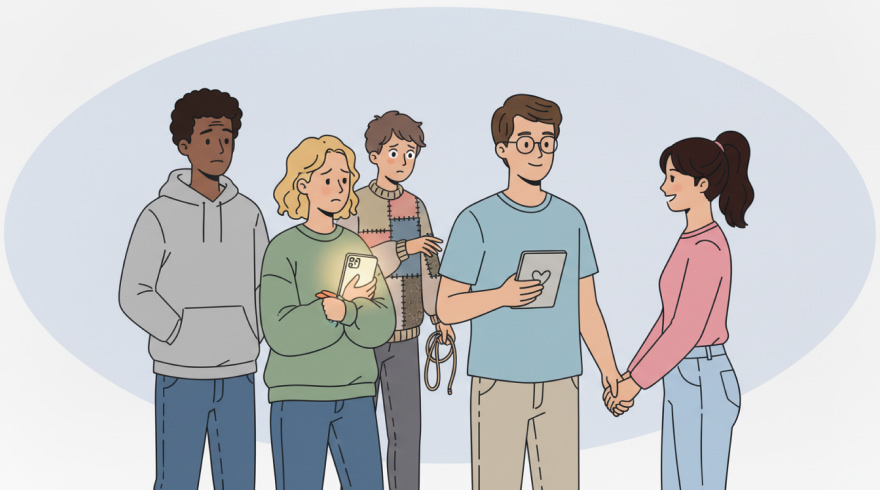
- 2Anxious bonding often emerges from unpredictability and amplifies protest, reassurance seeking, and hypervigilance.
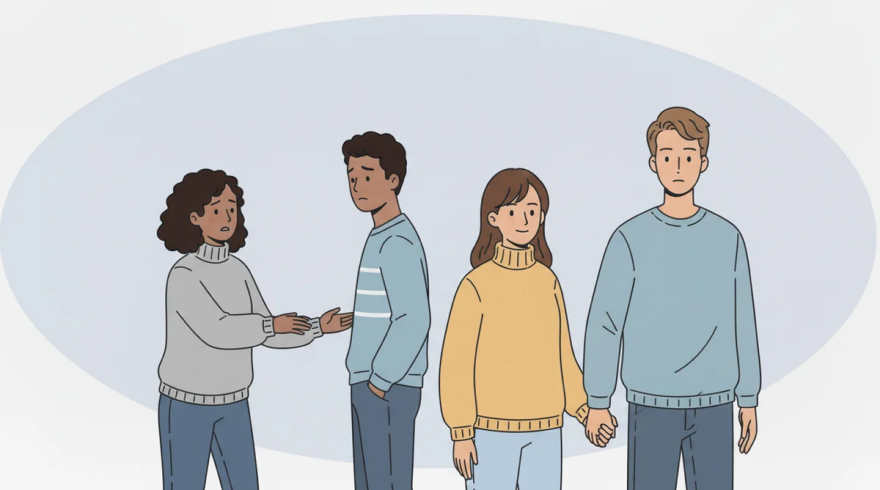
- 3Avoidant bonding may develop from emotional distance and emphasizes self-reliance, control, and cool detachment.
- 4Disorganized bonding can arise amid fear or chaos and leads to paradoxical approach–avoid patterns.
Preventing Misunderstandings
Insights from bonding research become powerful when they improve daily life, how partners repair after a disagreement, how colleagues collaborate under pressure, or how parents comfort a tearful child. Language for needs and boundaries reduces mind-reading, which prevents spirals of blame and defensiveness. With shared frameworks, dyads and teams can pause, name the pattern, and pivot toward behaviors that create safety.
Strengthening Relationships Through Connection Rituals
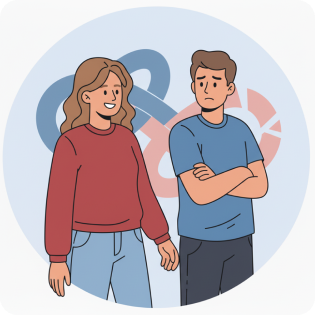
For couples, therapists translate insights into practical coaching around relationship attachment styles to reduce reactivity and increase repair after stressful moments. In community programs, facilitators demonstrate how rituals of connection can strengthen attachment styles in relationships through consistent empathy and shared meaning practices. Later-life transitions, from career changes to parenthood, invite reflection on adult attachment styles so that communication remains grounded when stakes and responsibilities rise.
Understanding Protective Patterns and Growth Mindset
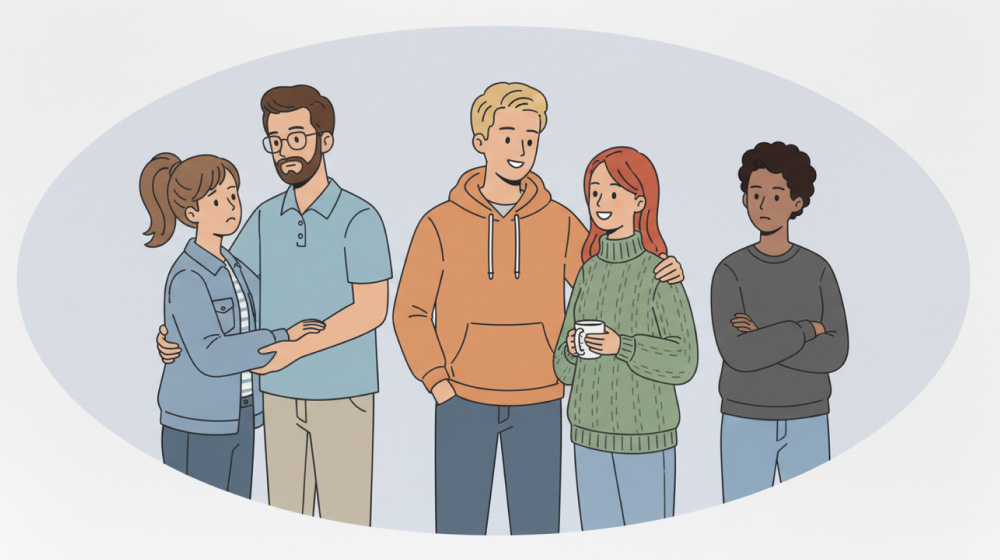
Self-awareness begins with compassionate observation: notice triggers, bodily cues, and the stories that erupt under stress. A growth mindset reframes patterns as protective adaptations that once served survival but now ask for updating. Coaches and clinicians encourage small experiments, micro-behaviors that increase safety, such as slower pacing, explicit requests, or shared planning.
For self-discovery, many readers start with an online attachment style quiz as a gentle entry point before committing to deeper exploration. When accuracy matters, psychologists prefer a validated attachment style test used alongside interviews, narrative tasks, and behavioral observations. After reviewing initial results, coaches help clients differentiate among types attachment styles categories while mapping strengths to concrete practices for daily life.
| Pattern | Core Belief | Typical Behaviors | Growth Focus |
|---|---|---|---|
| Secure | “I’m okay, you’re okay.” | Open bids, balanced boundaries, collaborative problem-solving | Expand strengths, mentor others, maintain repair rituals |
| Anxious | “Connection can disappear.” | Protest, frequent check-ins, hyper-attunement to threat | Build self-soothing, reality-test fears, ask directly for reassurance |
| Avoidant | “Closeness is risky.” | Emotional distancing, over-reliance on self, premature problem-solving | Practice vulnerability, tolerate dependence, share needs early |
| Disorganized | “I want closeness and fear it.” | Mixed signals, shutdown or pursuit, sudden reversals | Safety first, paced exposure to intimacy, trauma-informed support |
Change sticks when it is practiced in small, repeatable steps and reinforced within supportive relationships. Over time, people learn to notice the earliest signs of dysregulation and respond with grounding skills instead of reflexive defenses. With steady practice, relational confidence grows and new default settings emerge that make closeness feel safer and more satisfying.
FAQ: Answers to Common Questions
- How fixed are bonding patterns over a lifetime?
Patterns feel sticky because they are efficient survival strategies, but they can evolve with consistent experiences of safety. With journaling and observation, you can gradually identify your attachment style without judgment and track micro-wins that signal genuine change.
- Can two people with contrasting tendencies build a healthy partnership?
Yes, opposites can thrive when they create clear norms for repair, warmth, and pacing. When labels feel limiting, remember that attachment style describes a tendency rather than an unchangeable identity, and collaborative routines can offset reflexes that once caused friction.
- What helps during arguments when emotions run high?
Time-outs with a promised return, slow breathing, and summary reflections keep discussions within a window of tolerance. In heated moments, partners can re-center by naming sensations, needs, and requests before revisiting content that triggered the escalation.
- How do researchers categorize these bonding patterns?
Scholars rely on developmental studies, narrative interviews, and observation of stress-recovery cycles in close relationships. In academic language, the phrase attachment theory styles appears in models that link early caregiving to adult patterns of proximity seeking and affect regulation across contexts.
- Should I self-assess or work with a professional first?
Brief questionnaires can spark insight, while skilled guidance helps interpret nuance and avoid overgeneralization. Many people combine self-study with coaching or therapy to translate insights into daily practices that steadily build secure connection.
The Latest News
-
![Attachment Style Quiz: A Comprehensive and Reader-Friendly Guide]()
- 8 December, 2025
-
![Attachment Style Test: Decode Your Bonding Patterns]()
- 5 December, 2025
-
![Different Attachment Styles in Relationships: A Practical Guide to Secure Love, Trust]()
- 4 December, 2025
Please Note
This website (attachment-style-quiz.net) is not an official representative, creator or developer of this application, or product. All the copyrighted materials belong to their respective owners. All the content on this website is used for educational and informative purposes only.