4 Types of Attachment Styles: Patterns, Benefits, and Real-World Applications
- 1 December 2025
What Attachment Styles Are and Why They Matter
Attachment styles describe the ways people bond, seek closeness, and regulate safety in relationships from infancy through adulthood. Across research traditions, the phrase types attachment styles appears as a shorthand for clusters of patterns that forecast behavior in love and friendship. These patterns emerge from early caregiving and are shaped by later experiences, which means they can evolve with insight and support. Understanding your pattern clarifies why certain dynamics trigger you and why other dynamics feel calming and secure. It also gives you a roadmap for growth that balances self-soothing, boundaries, and trust.
Scholars converged on a taxonomy that includes secure, anxious, avoidant, and disorganized categories, each marked by a distinct approach to intimacy and autonomy. Rather than boxing anyone in, this framework illuminates how protective strategies form to keep us safe when closeness feels uncertain. When practitioners talk about attachment types, they are pointing to repeatable patterns that show up under stress and during important milestones. In day-to-day life, these patterns influence texting habits, conflict styles, and the meanings people assign to silence or responsiveness. By naming what you do reflexively, you gain choice, flexibility, and a language for repair.
The Four Core Attachment Styles
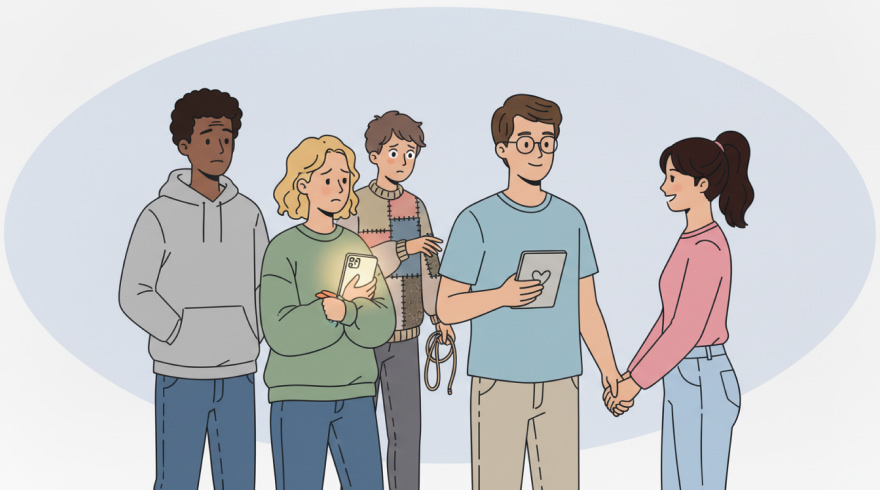
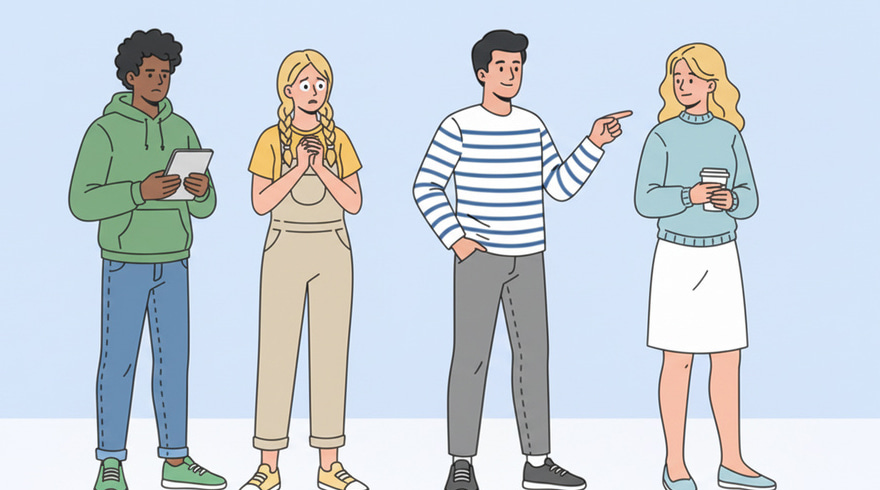
Most overviews describe four core patterns that crystallize around expectations of others and beliefs about the self. In plain terms, the 4 types of attachment styles are commonly labeled secure, anxious, avoidant, and disorganized, with each pattern balancing closeness and independence in its own way. Secure tends to welcome intimacy, anxious craves reassurance, avoidant values self-reliance, and disorganized vacillates because safety once felt unpredictable. These labels are simplifications, yet they provide a shared vocabulary for observation and change. Readers benefit from seeing the contours of each pattern side by side to make nuanced comparisons.
| Style | Core Need | Common Triggers | Growth Moves |
|---|---|---|---|
| Secure | Mutual reliability and open communication | Prolonged ambiguity or mixed signals | Maintain direct bids for connection and clear boundaries |
| Anxious (Preoccupied) | Consistent reassurance and emotional responsiveness | Delayed replies, vague commitments, perceived distance | Practice self-soothing, request specifics, track evidence of care |
| Avoidant (Dismissive) | Respect for autonomy and space to process | Intrusive demands, rapid escalation, loss of independence | Share internal states in small doses, agree on check-ins, rebuild trust |
| Disorganized (Fearful-Avoidant) | Safety with predictability and compassion for ambivalence | Unresolved conflict, sudden intimacy, memories of chaos | Trauma-informed therapy, pacing closeness, co-create safety plans |
To interpret the table thoughtfully, remember that no style is destiny and that mixed patterns appear across different relationships. Practitioners sometimes shorten the taxonomy to types attachment distinctions to emphasize that these patterns are adaptive responses, not fixed personality flaws. Growth begins by noticing what soothes you, what activates you, and what helps you return to baseline after difficult moments. With that awareness, partners can co-create agreements that de-escalate conflict and widen emotional safety.
- Secure signals include relaxed eye contact, collaborative problem solving, and flexible boundaries.
- Anxious signals include hypervigilance to cues, protest behaviors, and urgency around contact.
- Avoidant signals include emotional detouring, task-focus during conflict, and delayed disclosure.
- Disorganized signals include push-pull dynamics, sudden switches, and difficulty trusting repair.
Benefits of Knowing Your Attachment Style
Clarity about your pattern speeds up communication because you can ask for what you need without spiraling into blame or withdrawal. In couples work, clinicians map interaction cycles through the lens of types of attachment styles relationships to tailor interventions. With a shared language, partners replace mind-reading with transparent bids, and they trade criticism for curiosity. Over time, this reduces anxiety, improves turn-taking in conflict, and increases the ratio of positive to negative exchanges.
Self-awareness supports mental health, because naming triggers helps the nervous system downshift more quickly after stress. For self-development, exploring types of attachment styles offers a scaffold for naming needs without blame. Practically, that means scheduling repairs after hard conversations, setting expectations before transitions, and aligning promises with capacity. In families and teams, this knowledge encourages a climate where boundaries and reassurance coexist, which reduces reactivity and increases cooperation.
- Improve repair attempts by scripting “when/then” routines for conflict de-escalation.
- Design rituals of connection that fit your bandwidth, such as check-in texts or weekly debriefs.
- Replace assumptions with explicit agreements about responsiveness and availability.
- Track small wins to reinforce new, more secure interaction patterns.
How to Assess and Evolve Your Style
Assessment begins with reflective noticing: when you feel distance, do you pursue, shut down, or vacillate between the two. When you survey patterns across contexts, you may notice overlap among different types of attachment styles because people adapt to the demands of family, friendship, and work. Journaling triggers and recoveries provides data, while gentle experiments, like delaying a reactive text, reveal new possibilities. If trauma or chronic stress underlies your pattern, consider trauma-informed care that sequences safety, skills, and processing.
Structured tools such as interviews, validated questionnaires, and therapist-guided timelines can deepen insight while protecting dignity. For conceptual grounding, clinicians often reference attachment theory types as they design experiments that shift nervous-system responses. Progress looks like increasing tolerance for closeness, faster returns to calm after conflict, and more accurate interpretations of a partner’s signals. Small, repeated actions compound, steadily converting protective reflexes into flexible choices.
- Use body-based practices, paced breathing, orienting, and grounding, to widen your window of tolerance.
- Schedule connection and solitude intentionally, then renegotiate based on real capacity.
- Practice clear bids: name the need, the time frame, and the preferred response.
- Rehearse repairs: acknowledge impact, validate, and propose a next step.
Applications in Love, Work, and Parenting
Romantic partnerships thrive when both people understand their protective strategies and can translate them into actionable requests. In education and mentoring, awareness of the 4 types of attachment guides adult responses that either scaffold autonomy or invite connection. Managers who know their team’s comfort with feedback and visibility can adjust cadence, creating workplaces where candor and care coexist. Parents can model rupture-and-repair cycles, teaching children that conflict can be safe, bounded, and reparable.
Conflict is inevitable, yet the meaning we assign to it determines whether we lean in or avoid. When partners or leaders recognize signs associated with types of insecure attachment styles, they can meet protest behaviors with clarity and warmth rather than criticism. That shift reduces defensiveness and keeps the nervous system from perceiving threat where there is none. Ultimately, the result is steadier collaboration, more creativity, and a felt sense of reliability that endures under stress.
- In love, define “responsiveness” concretely: time windows, channels, and escalation paths.
- At work, align feedback with readiness, using previewing and consent to avoid overwhelm.
- In parenting, narrate your own regulation so kids witness healthy self-soothing in real time.
FAQ: Attachment Styles
Are attachment styles fixed for life?
No, they are plastic. Experiences that increase felt safety, secure relationships, therapy, and mindful practices, can nudge patterns toward greater flexibility. People accumulate corrective experiences that rewrite expectations about closeness and care. Over time, the nervous system learns to anticipate reliability, and reflexive defenses soften.
How can I tell which style I lean toward?
Look for patterns under stress: do you pursue reassurance, prefer distance, or toggle between them. Self-report tools categorize patterns under types of relationship attachment styles frameworks, but thoughtful reflection with a therapist refines the picture. Ask trusted people for behavioral feedback, and examine how you recover after ruptures.
Can partners with different styles make it work?
Yes, if both people commit to understanding triggers, expressing needs clearly, and practicing repair. Agreements about response time, conflict pacing, and touch can bridge gaps. With repetition, the relationship itself becomes a secure base that reshapes protective reflexes into collaborative habits.
Is an insecure pattern always a problem?
Not inherently. These strategies once kept you safe, and honoring that origin reduces shame. The goal is flexibility: being able to move toward or away as the context warrants, rather than being locked into one reflex. Supportive relationships help convert rigidity into choice.
What research underpins these ideas?
Attachment science integrates longitudinal studies, lab observations, and clinical trials. Within developmental and clinical literature, models such as types of attachment theory interface with emotion regulation research and interpersonal neurobiology. This cross-pollination yields practical interventions that improve relational health across the lifespan.
Latest News
-
![Attachment Style Quiz: A Comprehensive and Reader-Friendly Guide]()
- 8 December, 2025
-
![Attachment Style Test: Decode Your Bonding Patterns]()
- 5 December, 2025
-
![Different Attachment Styles in Relationships: A Practical Guide to Secure Love, Trust]()
- 4 December, 2025