
Adult Attachment Styles: A Comprehensive, Research-Backed Guide for Better Relationships
- 2 December 2025
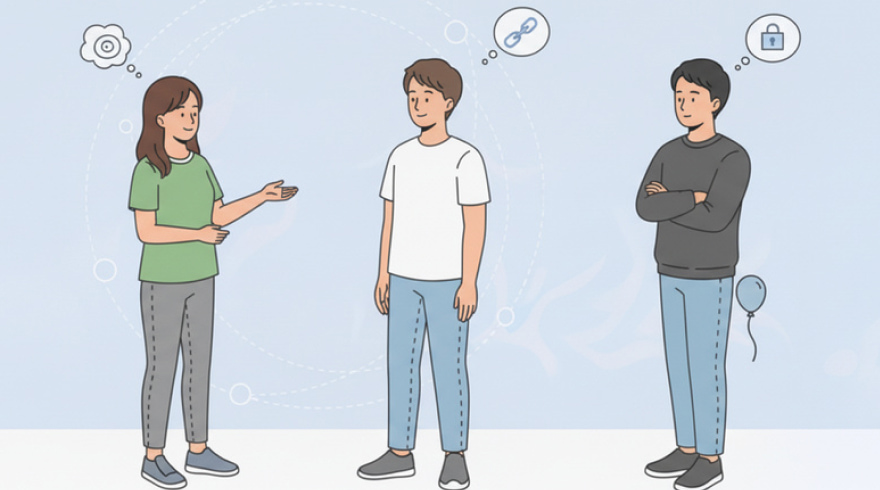
How Attachment Patterns Take Shape and Why They Matter
Human bonding patterns are not random; they cohere from early caregiving and continue to adapt across milestones like college, cohabitation, and parenthood. Within this framework, adult attachment styles provide a practical map that helps people decode reactions to closeness, conflict, and commitment. By recognizing habitual scripts, how we seek support, handle ruptures, and signal needs, we gain language for experiences that once felt chaotic. This vocabulary becomes a bridge between internal sensations and constructive action, enabling both self-compassion and clearer communication.
Rather than functioning as rigid labels, these patterns sketch tendencies on dimensions such as trust, interdependence, and emotion regulation. Modern clinicians and researchers integrate decades of findings under the banner of adult attachment theory to explain how expectations shape attentional filters, memory, and coping. The same lens illuminates why some partners protest distance while others shut down under stress, even when love is present. Crucially, change remains possible through corrective experiences, mindful practice, and supportive relationships that update internal working models over time.
- Secure connection grows from consistent responsiveness and fosters flexible autonomy.
- Anxious tendencies often amplify threat detection and drive pursuit for reassurance.
- Avoidant strategies prioritize self-reliance and can mute vulnerability cues.
- Disorganized patterns reflect conflicting impulses toward closeness and protection.
The Four Patterns in Daily Life: Signals, Triggers, and Relational Dynamics
Across dating, marriage, and co-parenting, we reveal our orientation not by isolated moments but by stable patterns under stress. In population studies, attachment styles adults usually cluster into secure, anxious-preoccupied, dismissing-avoidant, and fearful-avoidant profiles that predict how people initiate repair after conflict. These profiles describe typical responses to intimacy dilemmas rather than moral judgments, and they evolve when context changes. With awareness, partners can build micro-habits that nudge the system toward safety and warmth.
Real-world interactions showcase how bids for connection, emotional availability, and trust negotiation either soothe or escalate tension. In long-term partnerships, attachment styles in adult relationships influence the speed of reconciliation, the clarity of boundary setting, and the willingness to disclose needs. Couples who understand these patterns can tailor comfort strategies, like timely check-ins for anxious partners or gentle invitations to share for avoidant partners, to keep cycles constructive. Over time, reliable responsiveness rewires expectations, making closeness feel less risky and more rewarding.
- Secure: comfortable with intimacy, direct in requests, and flexible during disagreements.
- Anxious: sensitive to ambiguity, vigilant to cues of withdrawal, and quick to seek reassurance.
- Avoidant: values independence, prefers problem-solving over emotional talk, and may delay disclosure.
- Disorganized: fluctuates between approach and withdrawal, especially when triggered by past hurt.
How Professionals Evaluate Attachment
Measurement can clarify blind spots, but interpretation requires nuance and context. For self-guided learning, many people begin with a brief self-report, and a common starting point is an adult attachment style questionnaire that summarizes tendencies across anxiety and avoidance dimensions. While concise tools provide helpful snapshots, richer understanding comes from triangulating results with journaling, partner feedback, and patterns observed over weeks rather than days. The goal is insight, not a fixed identity.
Clinical evaluations sometimes incorporate narrative methods to surface deeper themes about safety, caregiving, and loss. For remote contexts, certain practitioners adapt interview protocols, and some offer an adult attachment interview online with structured prompts followed by coded analysis. Regardless of format, ethical practice emphasizes privacy, informed consent, and careful feedback that supports growth. When used judiciously, assessments become mirrors that invite compassionate reorganization, not weapons for blame.
| Approach | What It Illuminates | When It Helps Most |
|---|---|---|
| Self-Report Scales | Perceived anxiety/avoidance, comfort with closeness, autonomy preferences | Quick screening, personal reflection, coaching intake |
| Narrative Interviews | Coherence of story, reflective capacity, themes in caregiving memories | In-depth clinical work, research coding, trauma-informed planning |
| Behavioral Tracking | Real-time reactions, protest behaviors, repair attempts after conflict | Couples therapy, habit change, progress monitoring |
Integrating findings across multiple lenses reduces the risk of oversimplification and honors the complexity of lived experience. Constructive next steps include sharing insights with a trusted partner, crafting a repair ritual for tough moments, and scheduling periodic check-ins to revisit growth goals. Progress emerges from consistent micro-adjustments, not overnight transformation.
Benefits of Understanding Your Pattern: Personal Clarity, Relational Health, and Resilience
Knowing your tendencies can transform communication, conflict, and intimacy by giving you a roadmap for predictable stress points. For a quick baseline, some people start with an attachment test for adults to gain a succinct summary that guides early experiments in behavior change. Clarity also reduces shame by normalizing protective strategies that once felt confusing or self-defeating. When people see that patterns were adaptive in earlier contexts, they approach change with compassion rather than criticism.
Practical payoffs include better boundaries, faster repair after misunderstandings, and increased flexibility during transitions like moving or welcoming a child. In coaching and therapy, a structured adult attachment style assessment can sharpen treatment planning by highlighting leverage points such as self-soothing skills or vulnerability expression. The results inform small, testable commitments, like a five-minute daily check-in, that strengthen trust and reduce reactivity. Over months, these habits build a sturdier baseline of security that benefits work, friendship, and family life.
- Reduced conflict cycles through early signal detection and de-escalation.
- Enhanced intimacy via clearer bids for attention and responsive listening.
- Greater autonomy supported by predictable connection rituals.
- Improved stress recovery through co-regulation and self-regulation strategies.
Daily Practices, Communication Rituals, and Choosing the Right Tools
Security grows when intentions meet repeatable habits, especially during moments that once spiraled. For many, a short, user-friendly adult attachment style quiz provides language for discussing needs without blame, making it easier to co-create rituals like “arrival hugs” or “timeout and repair” plans. Consistency turns these micro-interventions into trust deposits that buffer future stress. Over time, partners feel safer to ask directly for reassurance or space.
Because self-knowledge deepens through reflection, it helps to pair brief measures with journaling and curiosity. When seeking longer forms, people sometimes choose an adult attachment questionnaire that breaks results into subscales to show subtler patterns across closeness, dependency, and anxiety. Complement insight with practice: set weekly calibration chats, rehearse repair scripts, and use compassionate accountability to keep growth on track. Small commitments, executed reliably, beat grand gestures that fizzle.
- Establish a predictable “stress debrief” where each partner speaks and is mirrored back.
- Create a shared glossary for triggers and soothing responses to reduce guesswork.
- Track one habit per week, such as “name one need daily”, and celebrate progress.
- Design a repair ritual that includes acknowledgment, impact, and a prevention plan.
FAQ: Common Questions About Adult Attachment, Answered Clearly
Does an attachment pattern ever change, or am I stuck with it?
Patterns shift with repeated corrective experiences, especially when new relationships offer safety where it was once scarce. Consistent responsiveness and deliberate practice can update expectations so that closeness feels predictable rather than risky.
What is the difference between a screening tool and a clinical evaluation?
Brief screenings provide fast, self-reported snapshots that guide personal reflection, whereas clinical evaluations dive deeper into history, coherence, and defensiveness. In research and therapy, a structured adult attachment inventory offers a richer picture that supports careful formulation and targeted intervention.
How should I discuss results with a partner without causing defensiveness?
Focus on patterns, not personalities, and share concrete moments where certain habits helped or hindered connection. Agree on one small, observable experiment, like a daily check-in, so the conversation leads to growth rather than blame.
Are online tools legitimate, and how do I vet them?
Legitimacy varies, so look for instruments with published reliability data, clear privacy policies, and transparent scoring. When you need structured feedback or progress tracking, a reputable adult attachment styles assessment can complement guided coaching or therapy.
What if partners have different needs for closeness and space?
Differences are manageable when both people name their needs early and plan for predictable moments of contact and solitude. Mutual flexibility, clear rituals, and rapid repair allow diverse preferences to coexist without chronic tension.
Latest News
-
![Attachment Style Quiz: A Comprehensive and Reader-Friendly Guide]()
- 8 December, 2025
-
![Attachment Style Test: Decode Your Bonding Patterns]()
- 5 December, 2025
-
![Different Attachment Styles in Relationships: A Practical Guide to Secure Love, Trust]()
- 4 December, 2025